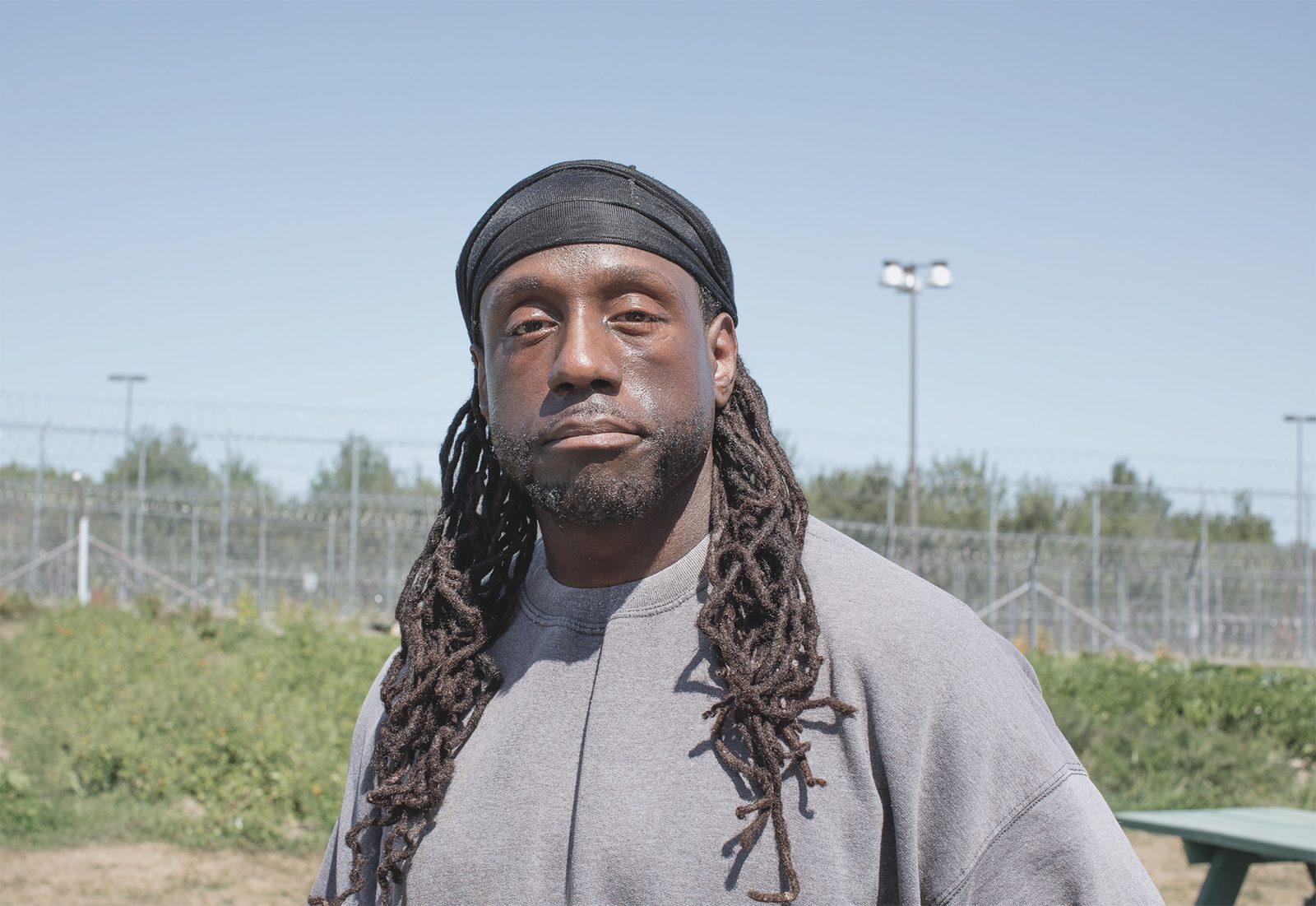
Correctional Facilities in Maine – A Photography Series by Hedva Rokach
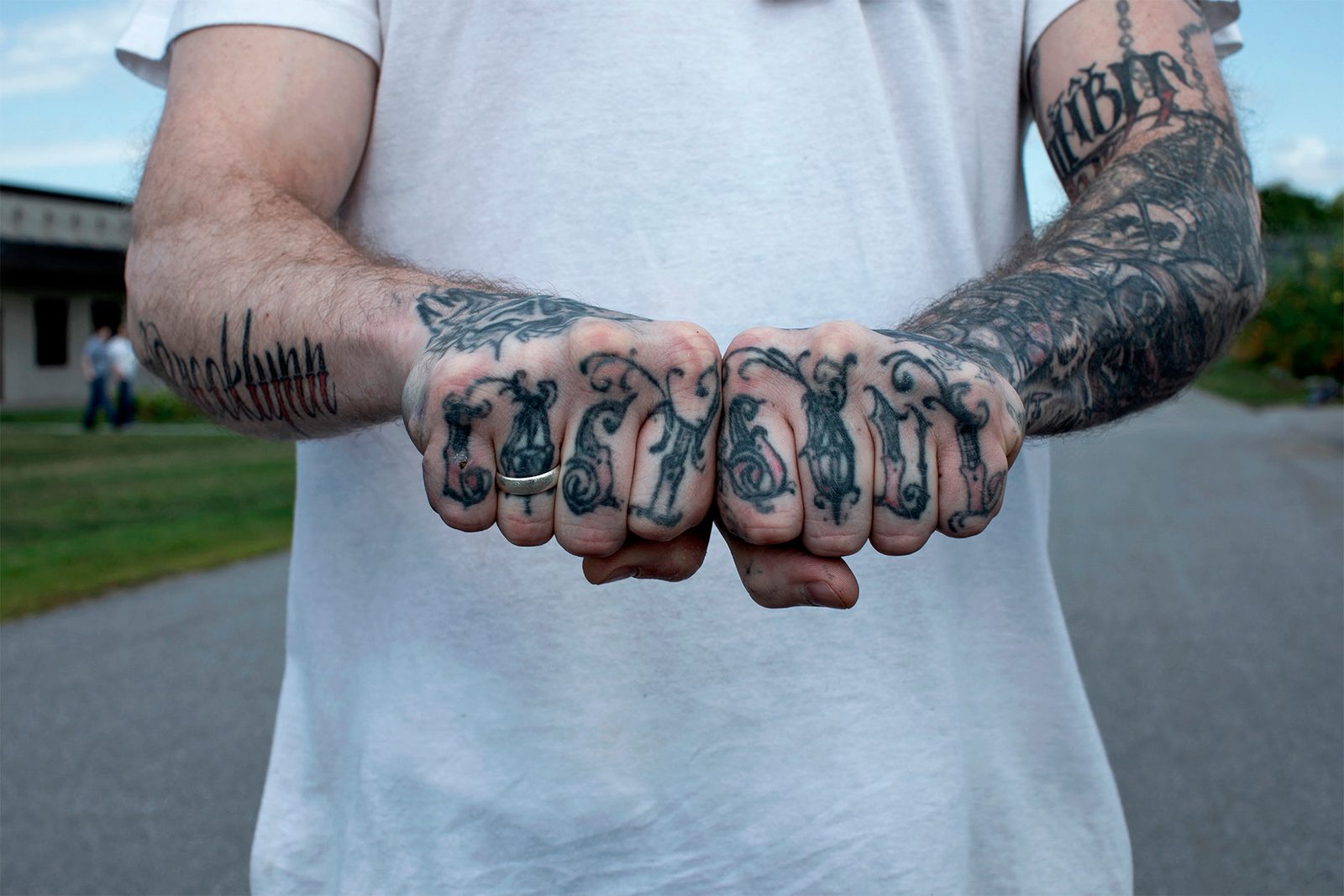
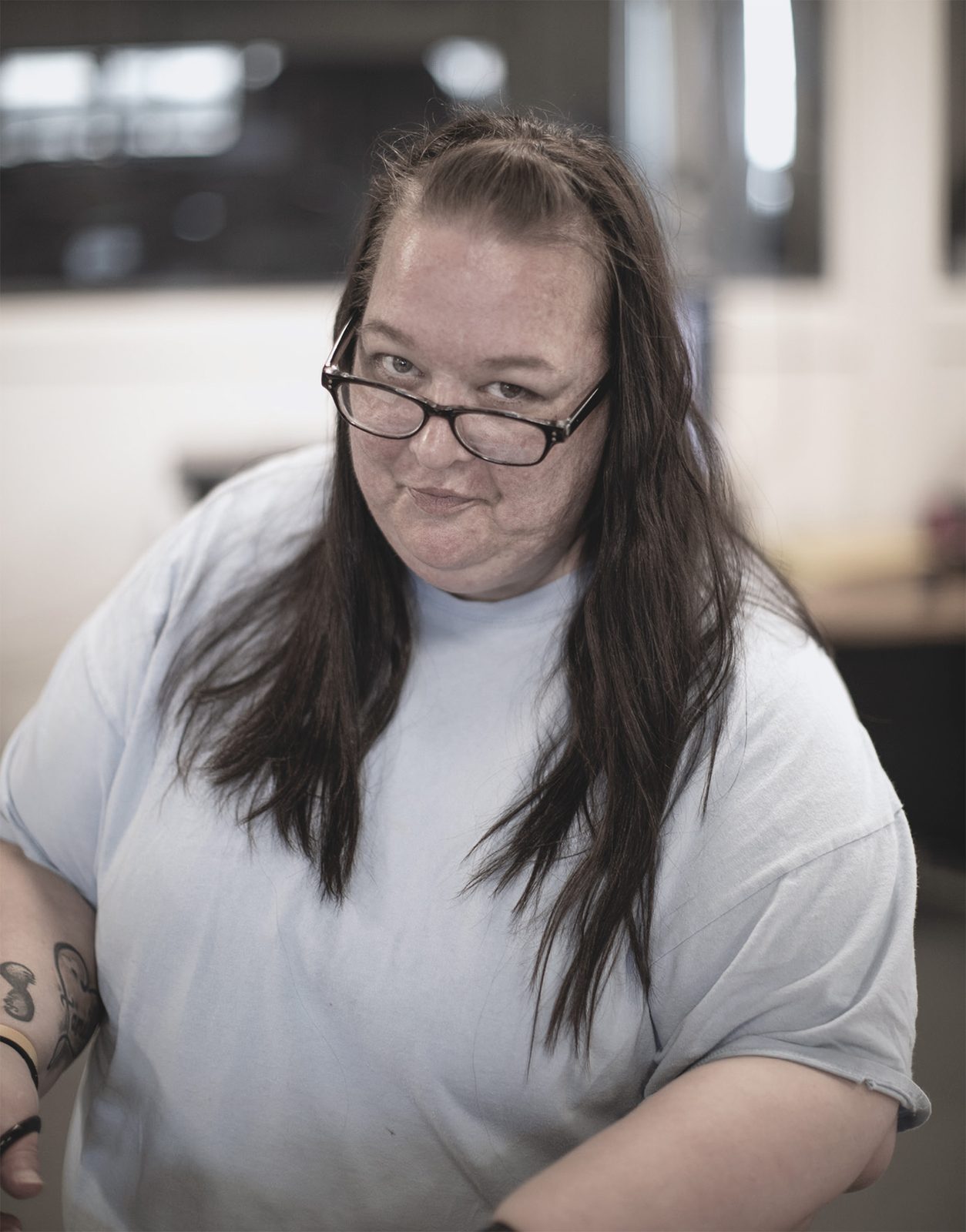
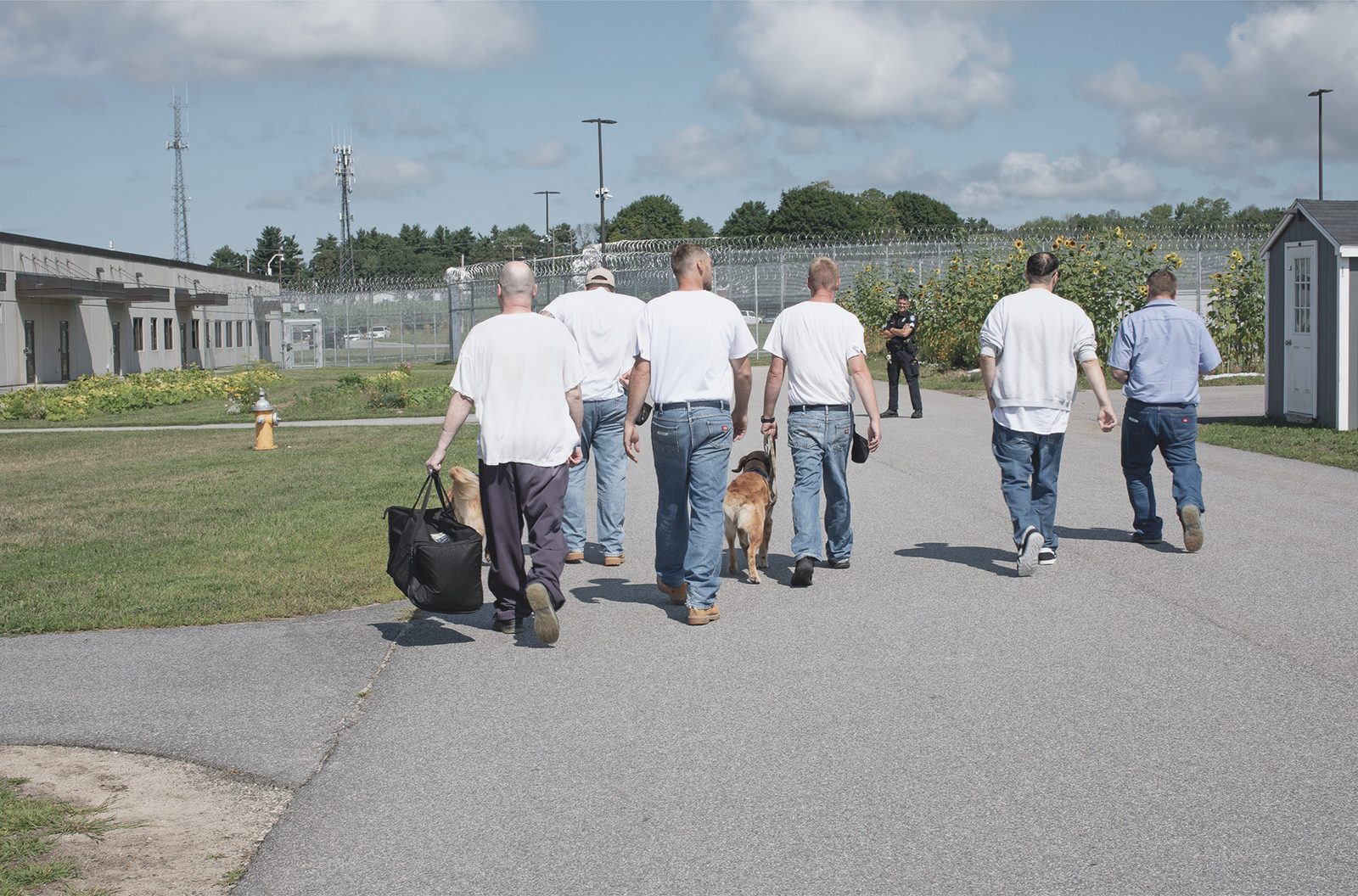
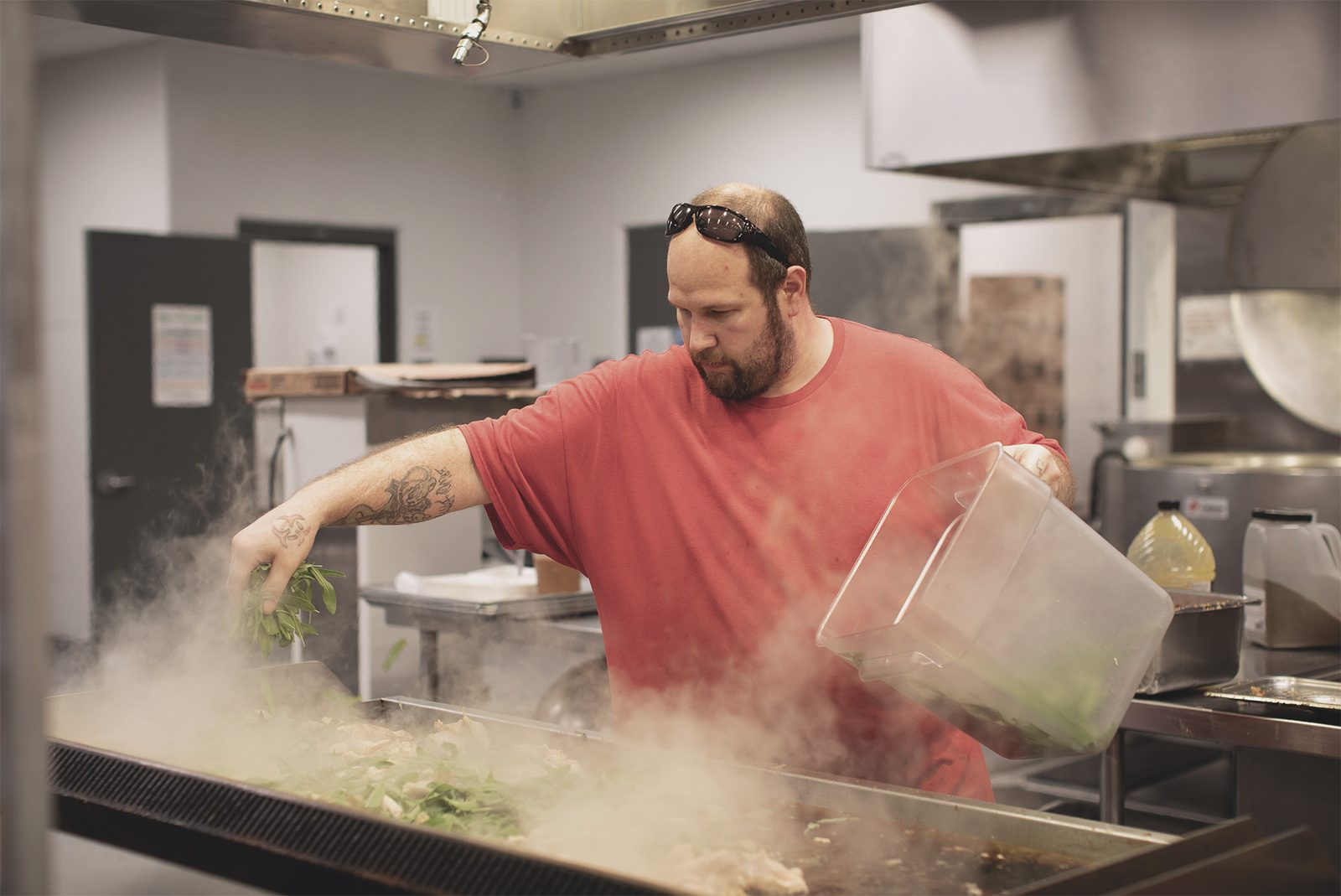
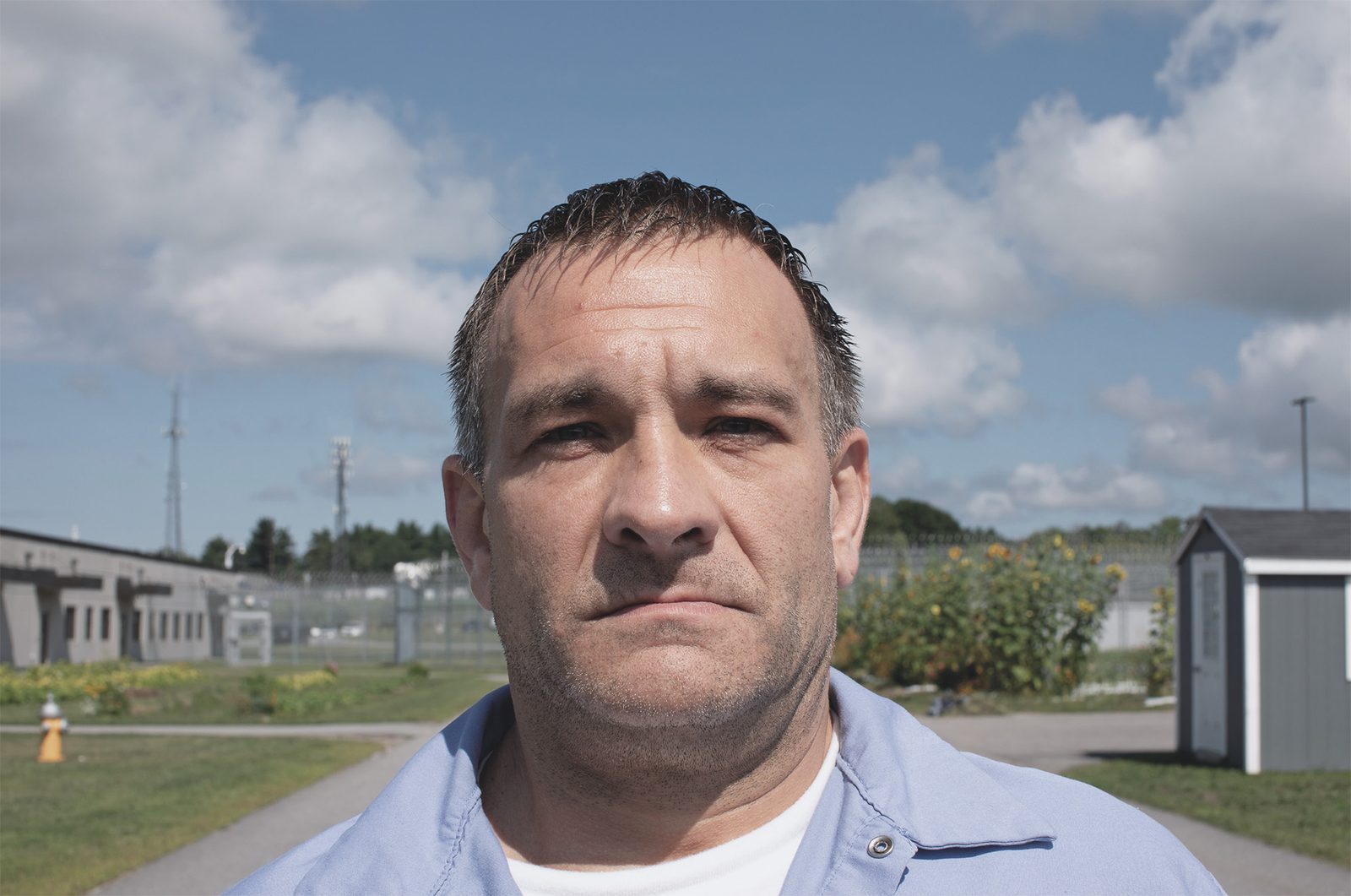
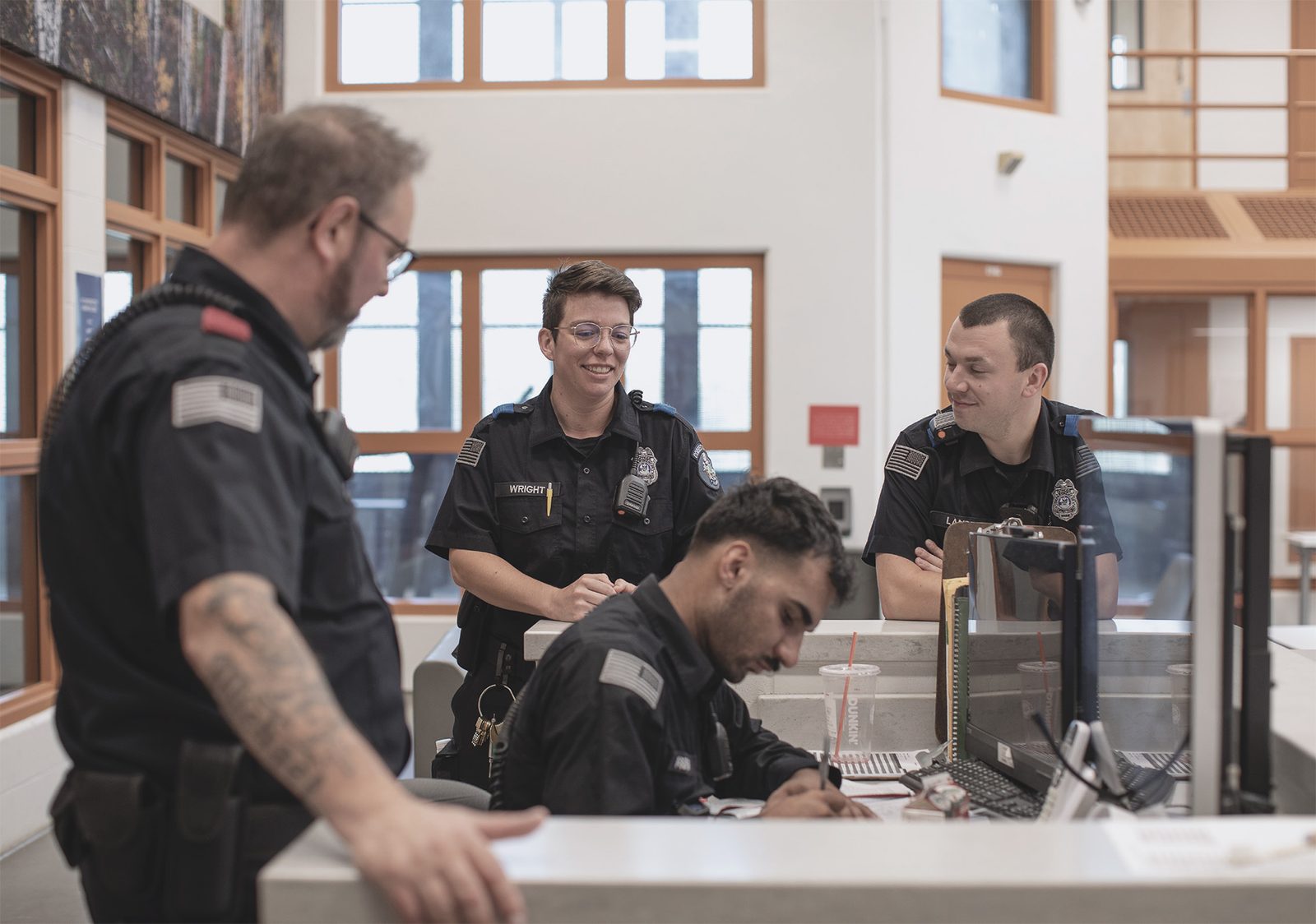
Created in the summer of 2026, this series brings together photographs Hedva Rokach made at four correctional facilities in Maine: Maine Correctional Center, Women’s Center, Southern Maine Women’s Reentry Center, and Maine State Prison. The photographs show residents and staff in their living and working environments, indoors and outdoors.
Read More
Rokach photographs without staging, paying close attention to natural light and the lighting conditions in each space. Changes in light, architecture, everyday objects, and encounters with people shape the photographs and the viewer’s experience of the realities they depict. Light shapes the atmosphere of daily life inside the facilities and influences how people and places appear in the photographs. Cells, housing units, the library, prayer rooms, and gardens are not merely backdrops for the people in the images; they are part of the environment in which daily life unfolds.
The series grew out of Rokach’s encounter with Maine’s correctional system, which follows a model combining punishment and rehabilitation and is influenced, in part, by principles practiced in Norway. The photographs do not seek to advocate for the model or determine whether it succeeds. Instead, they offer a view of the people and places, inviting viewers to observe a reality in which everyday life, restrictions, working relationships, and responsibility coexist.
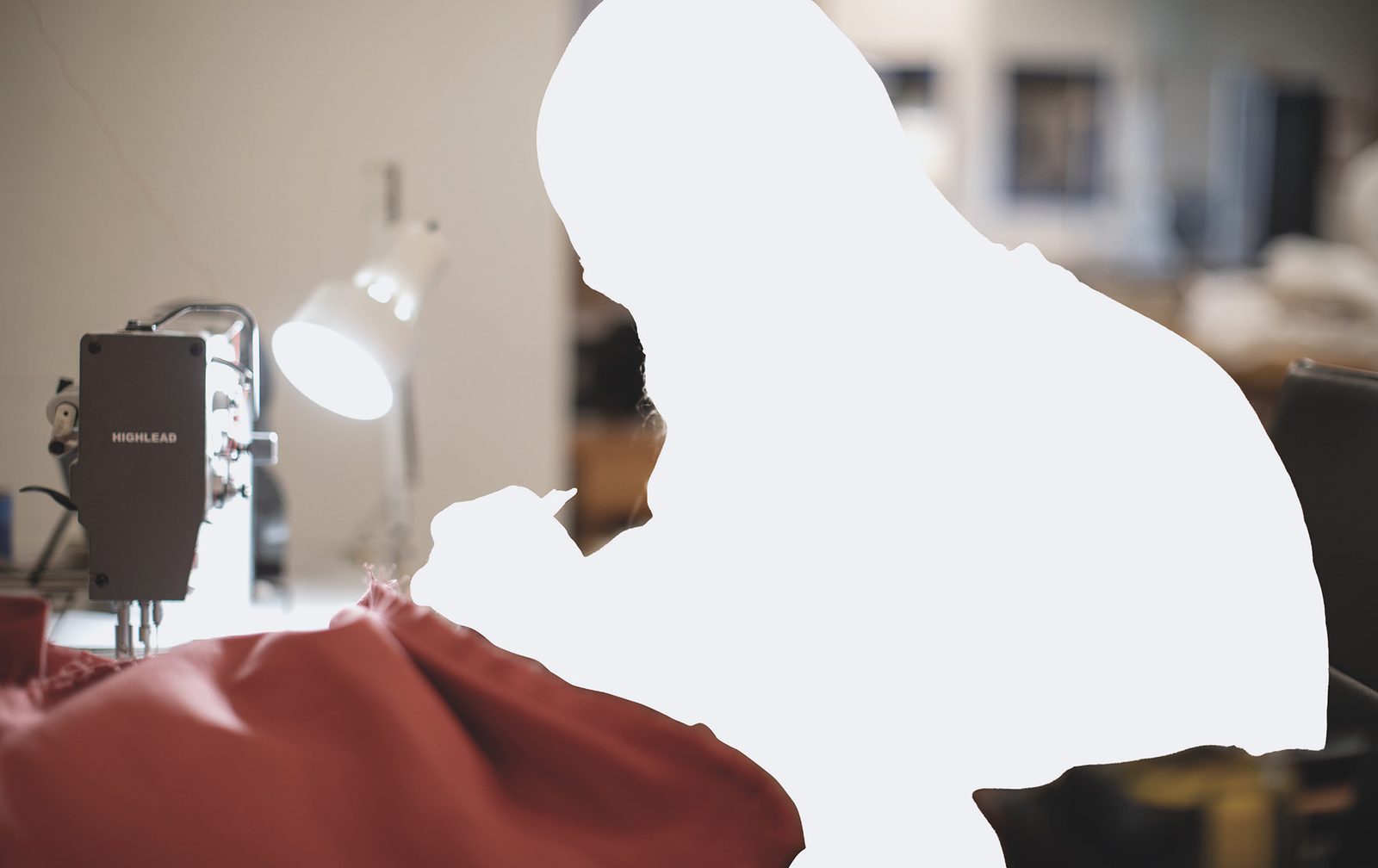
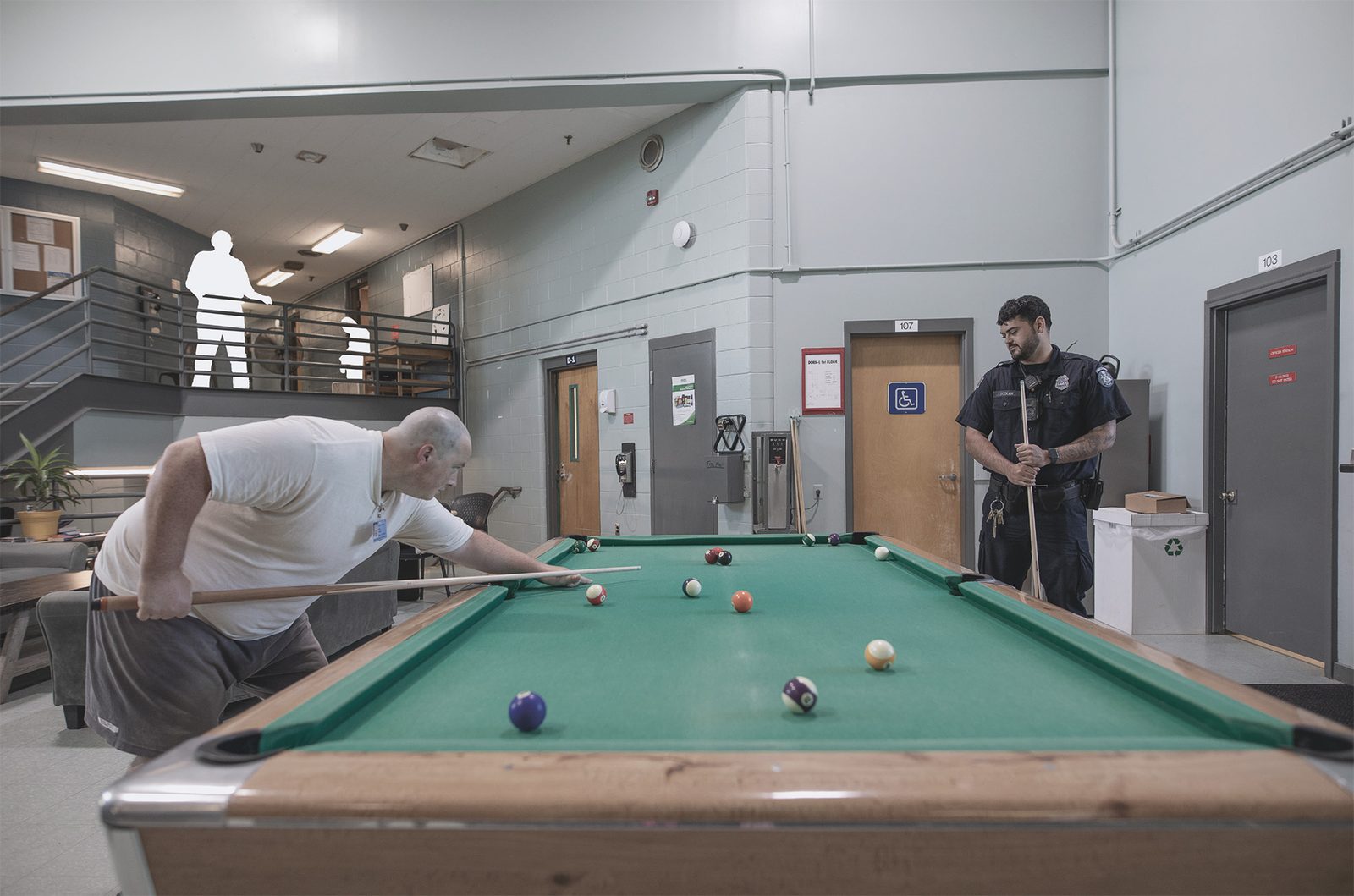
In some photographs, figures have been erased from the image, leaving white spaces or white silhouettes in their place. This artistic gesture goes beyond concealing the identities of certain individuals. The erasure, deliberately left unmasked and unsoftened, makes tangible the tragic circumstances behind the need to conceal them. The white spaces stand out in the image, interrupting its continuity and foregrounding the act of intervention. The stark absence invites reflection on the people erased from the image, the acts that led to their incarceration, and the victims whose lives were damaged or cut short. Erasure thus becomes more than a technical or formal operation: it marks the loss bound up with these acts, incarceration, and absence, leaving the viewer face to face with a void that cannot be filled.
The photographs invite reflection on confinement and freedom, punishment and rehabilitation, and the relationships between individuals, society, and the correctional system. Rather than offering definitive answers, they present the people and places as Rokach encountered them.
The project is an independent artistic work. The Maine Department of Corrections provided access to the facilities and logistical assistance without intervening in the work itself.